
Nights During the Lockdown: COVID-19 Relief in Ahmedabad
During the COVID-19 lockdown, Kashyap Jani served food to families at night and took refreshments to police on duty at checkpoints across the city.
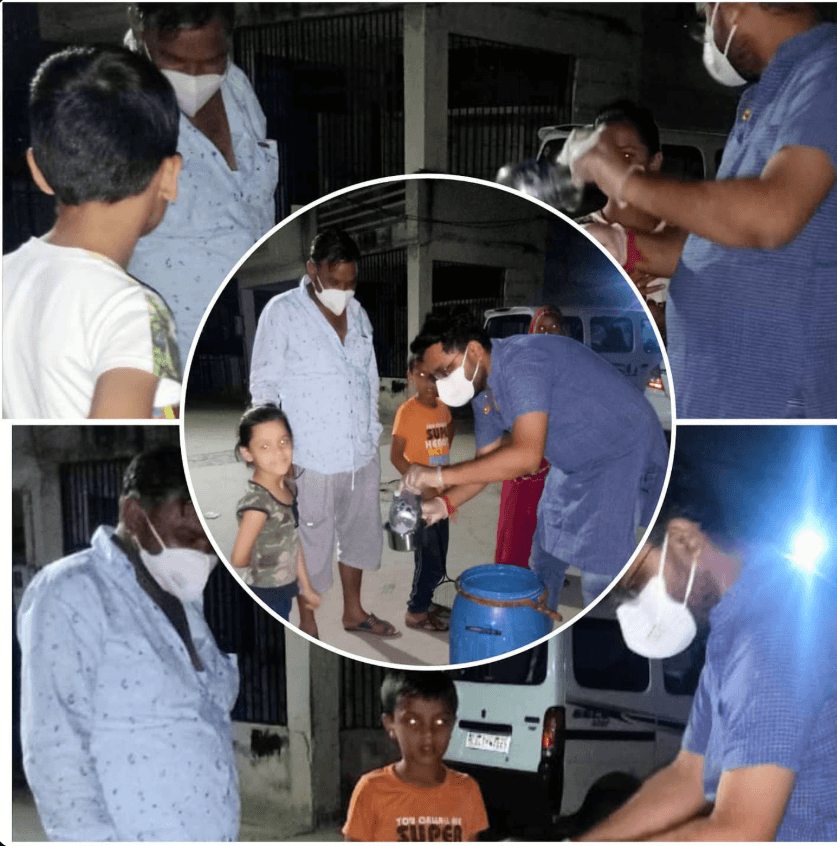
When the COVID-19 lockdown emptied the streets, many families in Ahmedabad faced long days with little income and uncertain meals. Daily wage workers lost their earnings overnight. Elders were cut off from the help they usually relied on. Children waited at home while parents worried about the next meal. For Kashyap Jani and his team, the answer was simple: show up, masks on, and serve.
This post looks back at that work, and at why seva, selfless service, sits at the heart of public life.
Food for families
Through the lockdown nights, the team carried food to families in the neighbourhood, serving children, elders and working families at their doorsteps. Big containers were loaded into a van, and the team moved from lane to lane, ladling out meals into the vessels families brought from home.
The work was done carefully. Masks and gloves were worn throughout, distance was kept, and the team followed the guidelines of the time. The point was to help without adding to the risk. It was quiet, steady work that continued night after night for as long as it was needed, and it depended entirely on volunteers who chose to give their evenings to their neighbours.
Standing with frontline police
While most of the city stayed indoors, police officers worked long shifts at checkpoints, in the heat of the day and late into the night, enforcing the lockdown and keeping people safe. They were among the frontline workers who stood between the virus and the public, often far from their own families.
The team visited officers on duty at checkpoints across the city with refreshments and cold drinks. It was a small gesture, but it carried a clear message: the community saw their sacrifice and was grateful for it. Gratitude matters in a crisis. It keeps people going when the days are long and the end is not yet in sight.
The volunteers behind the work
None of this would have been possible without volunteers. Some cooked, some packed, some drove, and some simply stood at a corner making sure families knew where to come. Many of them had their own worries at home, yet they gave their evenings anyway. Relief work in a crisis is never the effort of one person. It is a team that decides, every single night, to keep going.
Coordination mattered too. Knowing which lanes had elderly residents living alone, which families had lost their income, and which areas were already being covered by others meant the help reached the people who needed it most, without waste or duplication.
What the lockdown taught
Crises show what a community is made of. During the pandemic, India saw countless examples of neighbours helping neighbours, volunteers organising relief, and frontline workers putting duty first. Government schemes did their part at scale, and local volunteers made sure help reached the doorstep.
The lockdown also showed why preparedness matters. Communities with organised volunteer networks, clear contact lists and trusted local leaders were able to respond faster. That is one reason Kashyap Jani speaks about resilience and disaster preparedness, and why it features in his Forbes India story.
Why seva comes first
Seva is not a campaign activity. It is a way of seeing public life, where the measure of a leader is how they show up when people need them most. The same spirit runs through his community work today, from relief drives to gau seva and other initiatives on the ground.
#WeWillDoIt
The pandemic years are behind us, but the lesson stays. When the next crisis comes, and every city faces one sooner or later, the communities that recover fastest will be those where people already know how to help one another. More photos from the relief work are in the gallery.