Medals Start in the Mohalla: Youth Sports in Gujarat
From neighbourhood grounds to the 36th National Games in Gujarat, why Kashyap Jani backs grassroots sport, Khelo India and fitness for young people.
Every medal at a national event begins somewhere small: a neighbourhood ground, a school field, a practice hall above a shop, a coach who saw talent early and refused to let it go to waste. Kashyap Jani believes that if India wants more champions, it has to give many more young people a fair start, and that start happens in the mohalla.
Gujarat's National Games moment
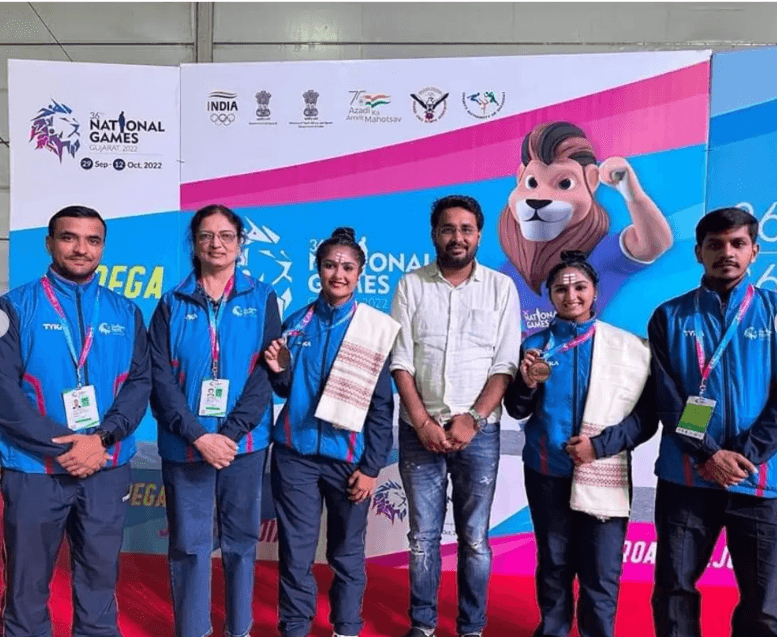
In 2022, Gujarat hosted the 36th National Games, bringing athletes from across the country to the state. For Gujarat, it was a chance to show its organising ability and to inspire a generation of young people who saw national level competition up close.
Meeting Gujarat's medal winners at the Games was a reminder of what local talent can achieve when it gets coaching, support and a stage. Those athletes trained for years before anyone was watching. Behind every medal were early mornings, families who made sacrifices, and coaches who gave their time. The question for public life is how to make that path easier for the next thousand young athletes.
In step with Khelo India and Fit India
National programmes have changed the landscape for young athletes. Khelo India identifies and supports talented sportspersons, runs youth games across many disciplines and helps build infrastructure. The Fit India Movement encourages every citizen, not just athletes, to make physical activity part of daily life.
The work at ward level is to make sure children actually walk through those doors. That means access to safe grounds and equipment, local competitions that give young players match experience, and information for families about trials, scholarships and training centres. It also means encouraging girls to play, and making sure they have safe spaces and support to keep playing as they grow older.
What grassroots sport needs
Good intentions are not enough without basics. Neighbourhood grounds need to be kept open, clean and lit. Schools need physical education taken seriously, not squeezed out by exam pressure. Local clubs and coaches need recognition and small grants. Talented young players from families with little money need help with travel, kits and diet so that talent, not income, decides who rises.
Traditional disciplines matter too. Yogasana, now a competitive sport, grew out of India's own heritage and connects fitness with discipline of the mind. Kabaddi, kho kho and wrestling remain some of the most accessible sports for children in any neighbourhood, needing little more than open ground and enthusiasm.
The role of families and coaches
Behind most young athletes is a family that made room for sport, and a coach who believed in them. Parents often worry that time on the field means less time for studies. Part of the work is helping families see that sport and education can go together, and that many paths in sport lead to scholarships, jobs and lifelong health even for those who never win a national medal.
Coaches deserve more recognition than they get. Many work for little money, early in the morning and late in the evening, with whatever equipment they can find. Supporting them with training, small grants and public appreciation is one of the most effective ways to grow sport in any neighbourhood.
More than medals
Sport builds discipline, teamwork and confidence. It teaches young people how to win with grace and lose without giving up. It keeps them healthy, and it keeps them away from harm at an age when the wrong company can change a life.
That makes sport part of building a developed India, not a side activity. A healthy, confident generation is more productive, more resilient and more ready to lead.
#WeWillDoIt
Youth in sports is one of Kashyap Jani's key priorities. See more moments from the field in the gallery, and read why he also wants young people inspired by India's space programme.